



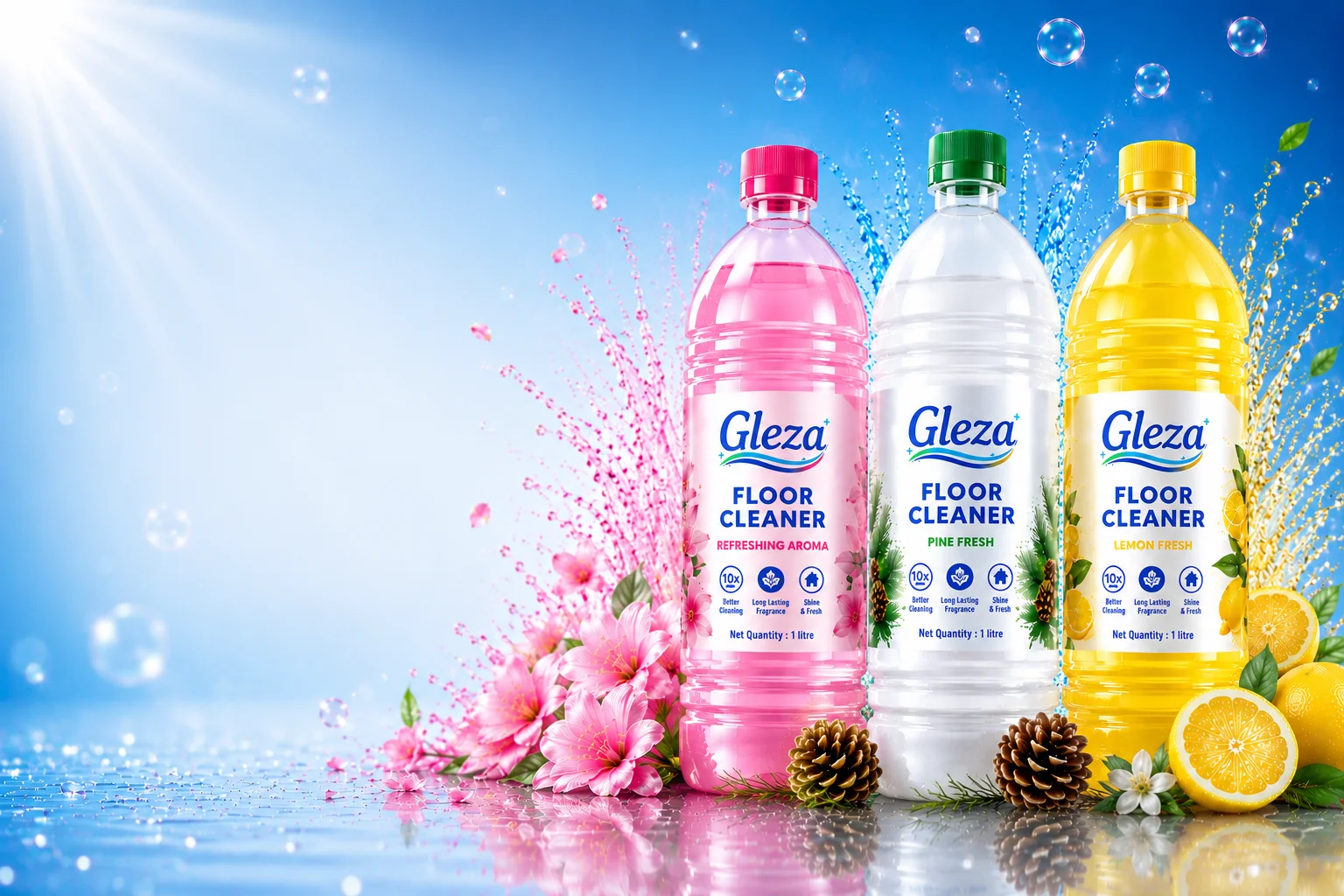
How to Clean Floors Properly Using Floor Cleaner
Clean floors make a home or workplace look fresh and well maintained. Regular floor cleaning also helps remove everyday dust, dirt, spills and grime that accumulate over time.
Using a suitable floor cleaner can make your regular cleaning routine easier. However, getting good results depends not only on the cleaning product but also on how you use it.
In this guide, we’ll explain how to clean your floors properly using floor cleaner.
Why Regular Floor Cleaning Is Important
Floors collect dirt throughout the day from footwear, dust, food particles and everyday activity.
Regular cleaning can help remove:
- Dust and dirt
- Footprints
- Everyday grime
- Food and drink spills
- Surface stains
- General buildup
A consistent cleaning routine can help keep your living and working spaces looking clean and comfortable.
What You Need
Before starting, prepare:
- A suitable floor cleaner
- A bucket
- Clean water
- A clean mop
- A broom or vacuum cleaner
- Gloves, if recommended on the product label
Make sure your floor cleaner is suitable for the surface you are cleaning.
Step 1: Remove Loose Dirt and Dust
Start by sweeping or vacuuming the floor.
Removing loose dust and dirt first prevents it from spreading around when you mop.
Pay particular attention to:
- Corners
- Areas underneath furniture
- Doorways
- High-traffic areas
Step 2: Read the Floor Cleaner’s Instructions
Before using the product, read the instructions on the packaging.
Different floor cleaners have different formulations and recommended dilution ratios.
Some products may be ready to use, while others need to be diluted with water.
Always follow the manufacturer’s recommended instructions.
Step 3: Prepare the Cleaning Solution
If your floor cleaner needs dilution, add the recommended quantity to a bucket of water.
Avoid adding extra product thinking that a stronger solution will automatically clean better.
Using the recommended amount helps you use the product efficiently and according to its intended application.
Step 4: Start Mopping
Dip your clean mop into the prepared solution and wring it properly.
Mop the floor evenly, working systematically across the room.
For larger areas, divide the floor into sections so you don’t miss any spots.
Step 5: Pay Attention to High-Traffic Areas
Some parts of your home become dirty faster than others.
Give extra attention to:
- Entrances
- Hallways
- Kitchen areas
- Living rooms
- Areas around dining tables
For stubborn dirt, follow the floor cleaner’s instructions instead of using excessive amounts of product.
Step 6: Allow the Floor to Dry
After mopping, allow the floor to dry properly.
Good ventilation can help the floor dry faster.
Avoid unnecessary foot traffic while the floor is still wet.
Step 7: Clean Your Mop
After finishing, rinse the mop thoroughly and allow it to dry.
A clean mop is important for maintaining a good cleaning routine. Using a dirty mop can spread dirt instead of removing it.
How Often Should You Clean Your Floor?
The ideal cleaning frequency depends on your home and lifestyle.
You may need to clean more frequently if you have:
- Children
- Pets
- High foot traffic
- Frequent visitors
- Outdoor footwear inside the home
For many households, regular sweeping combined with routine mopping is a practical approach.
How to Clean Different Types of Floors
Ceramic and Vitrified Tiles
These surfaces are commonly cleaned using suitable floor cleaning products.
Sweep or vacuum first, then mop using the recommended floor cleaner dilution.
Marble Floors
Marble requires more care because certain cleaning chemicals can affect natural stone surfaces.
Always check whether your chosen floor cleaner is suitable for marble before use.
Granite Floors
Use a cleaning product that is specifically recommended for the surface.
Avoid using unsuitable chemicals or mixing multiple cleaning products.
Other Hard Surfaces
For other flooring materials, always check the manufacturer’s cleaning recommendations before applying a new product.
Common Floor Cleaning Mistakes to Avoid
Using Too Much Cleaner
More cleaning product doesn’t necessarily mean better cleaning. Follow the recommended dilution instructions.
Skipping Sweeping
Mopping over loose dust and dirt can make cleaning less effective.
Using a Dirty Mop
Always rinse and clean your mop after use.
Mixing Cleaning Chemicals
Never mix different cleaning chemicals unless the manufacturers specifically confirm that they are compatible. Some combinations can create dangerous reactions.
Ignoring Product Instructions
Always read the label before using a cleaning product, especially when using it on a new surface.
Choosing a Floor Cleaner
When selecting a floor cleaner, consider:
- Your floor type
- Cleaning requirements
- Recommended usage
- Fragrance preference
- Package size
- Price
- Value for money
A good floor cleaner should be convenient for your regular cleaning routine and suitable for the surfaces you intend to clean.
Try Gleza Floor Cleaner
Gleza offers quality and affordable cleaning products for everyday cleaning needs.
Our current range includes:
If you’re looking for a practical solution for regular floor cleaning, explore the Gleza Floor Cleaner.
Final Thoughts
Proper floor cleaning doesn’t have to be complicated.
Remove loose dirt first, use a suitable floor cleaner according to its instructions, mop systematically and allow the floor to dry properly.
Most importantly, choose a cleaning product that is appropriate for your floor surface and follow the manufacturer’s directions. Explore our full shop for more cleaning essentials.